

Apply to the official Companion Card program for your state or territory. The applicant is the person with disability, even when a family member or another person helps complete the paperwork. There is no single Australian form that replaces every jurisdiction’s process.
This guide helps you find the right starting point and organise a complete application. Accessible Australia does not accept forms, assess eligibility or issue cards. Do not send medical evidence, photographs, identity documents or a card number to this website.
Find the current application
Open the official program page before downloading anything. A search result can lead to an old PDF whose photograph instructions, contact address or supporting documents have changed. The page linking to the form is a better starting point than an attachment saved years ago.
| Where you live | Official starting point | What to look for |
|---|---|---|
| Australian Capital Territory | ACT Government: apply for a Companion Card | Eligibility, application instructions and program contact. |
| New South Wales | NSW Government: Companion Card | Application information, eligibility guidance and accessible resources. |
| Northern Territory | NT Government: Companion Card | Local criteria and the current application pathway. |
| Queensland | Queensland Government: get a Companion Card | Online, postal, email and in-person options. |
| South Australia | SA Government: apply | The current PDF, Easy Read alternative and submission instructions. |
| Tasmania | Service Tasmania: Companion Card | The current application, replacement and renewal service. |
| Victoria | Victorian Companion Card: how to apply | Online Part A and Part B, or the postal application. |
| Western Australia | WA Companion Card: apply now | Application PDF, photographs, verification and accessible Word requests. |
If you arrived through an old Companion Card PDF address on this domain, use these current links. We have not republished a historical government form as though it were still current. For the older Victorian document collection, our Victorian forms and documents section distinguishes new applications, card changes and program terms.
Read the eligibility test before arranging an appointment
A professional’s diagnosis and the program’s eligibility decision are not interchangeable. The application must explain the disability-related assistance needed to participate in community activities and why that support need meets the local criteria. Read what the card is designed to do first if you are unsure whether you need this program or a different service.
There is no safe shortcut based on another applicant’s outcome. Two people with the same diagnosis may have different functional needs, and programs publish different wording. The NT guidance specifically discusses evidence for episodic conditions; the Victorian checklist uses its own test for lifelong high-level assistance. Ask the program about an unclear criterion rather than adapting your description to match an anecdote.
For a child, separate the assistance normally associated with their age from the disability-related assistance being assessed. Record what happens in community settings, who provides support and why. Avoid claiming that a current level of support will necessarily continue for life unless the relevant professional evidence supports that statement.
Build an evidence pack around everyday activities
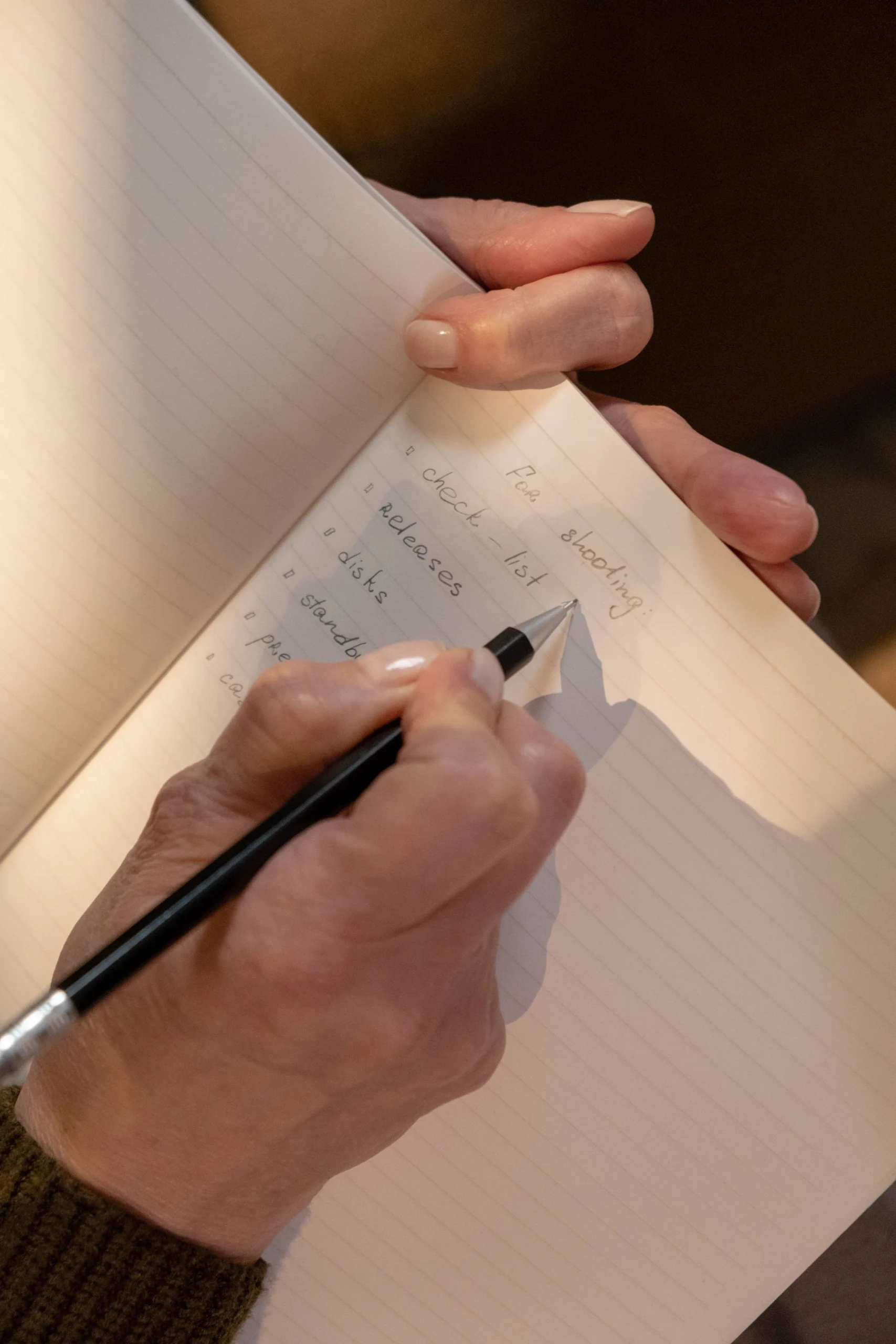
Prepare a short set of observations to discuss with the authorised professional. This is an organisational exercise, not a script for securing approval. Use accurate examples, including the help that equipment or established strategies already provide.
| Observation | Useful detail to record |
|---|---|
| The activity | A specific community activity, rather than a broad statement that all outings are difficult. |
| The task | Moving through the venue, understanding information, communicating or completing personal care. |
| The assistance | What another person actually does and when they need to do it. |
| Existing strategies | What aids, adjustments or routines help, and what assistance remains necessary. |
| The evidence | Which report or professional can explain the functional impact and expected duration. |
A useful account might describe why instructions need to be communicated in a particular way throughout an activity. It should not merely say that having company makes the visit more enjoyable. Keep this factual and in the applicant’s own circumstances. Do not copy a model answer or exaggerate a limitation because it appears in someone else’s successful application.
Bring the current form to the appointment. A professional who knows the applicant may still need time to read the program’s questions and review relevant reports. Ask beforehand whether they are permitted to complete the particular section; the accepted signatories are listed in the local instructions.
Check photographs and professional sections together
The Victorian application page distinguishes a digital photograph for an online application from two signed passport-sized photographs for a paper submission. Online Part A is completed before the professional completes Part B, and both parts are required for assessment.
WA’s process uses Section 1 for the applicant and Section 2 for a listed professional or service provider, with two verified photographs. The program offers an accessible Word version on request. These are local requirements, not a national photograph rule.
In South Australia, the application page asks for one passport-quality photograph and provides an Easy Read option. Check the exact photograph and signature instructions while the professional is available, rather than discovering an incomplete verification after the appointment.
Submit through a channel the program actually accepts
NSW applicants should check the current online requirement. The NSW Government’s program page states that new postal and email applications stopped being accepted after 1 July 2026. It directs new applications online and provides assistance on 1800 893 044. An older downloadable guide describing email or post should not override that live notice. Renewal and replacement enquiries have separate instructions.
Check the recipient, file format and order of steps against the live program page. If a digital application uses an account, consider whose account it is. Queensland’s current instructions tell professional support workers and paid carers applying for someone else to use post, email or in-person routes rather than attaching the application to their personal digital account.
Before sending, open every attachment and check that it is readable, complete and belongs to the applicant. A photograph embedded in a document may not be the required image format. Keep a copy of what you submitted and any receipt or reference number, but avoid retaining extra sensitive documents on a shared device.
- Check the applicant’s contact details and current address.
- Confirm all required applicant and professional sections are complete.
- Check photograph verification, signatures and supporting attachments.
- Use the destination on the official page, not a forwarded message or old form.
- Record the submission date and how the program will contact you.
Waiting, requests for evidence and an unsuccessful decision
Processing estimates are not promises. As checked on 12 November 2026, Victoria’s application page publishes a minimum eight-week assessment period and notes longer waits; WA asks applicants to allow approximately 20 working days, potentially longer at busy times. Check the live notice before relying on either figure for a planned outing.
If more information is requested, answer the identified gap rather than resending the entire pack without explanation. Note which professional needs to respond and keep the program’s reference with the correspondence. Ask the program directly whether the application is complete; Accessible Australia cannot check its progress.
A refusal and a lost-card request require different processes. Victoria’s review guidance, for example, explains a written review request supported by relevant additional information. Use your own program’s instructions instead of submitting duplicate applications in the hope that one will be processed differently.
Application questions
Can I apply through Accessible Australia?
No. Use the official state or territory program linked above. Our website does not receive applications or assess evidence.
Is there one national application form?
No. Choose the program for where you live and follow its current process. Interstate recognition of a card does not make application forms interchangeable.
Do I always need two photographs?
No. Requirements differ by jurisdiction and by online or paper submission. Victoria, WA and South Australia publish different instructions, so check before obtaining or verifying photographs.
Can someone help me complete the form?
Check the relevant process and authority requirements. The person with disability remains the applicant. Queensland also distinguishes family assistance from applications lodged by paid professional representatives.
Should I book an event while waiting for approval?
Do not assume approval or delivery by a particular date. Ask the venue what options exist and review cancellation conditions before making a commitment.
Sources checked on 12 November 2026. Independent editorial guidance by Accessible Australia. Program decisions and current service arrangements remain with the linked official organisations. How we prepare and correct our guides.